Expert's opinion
The article is a subjective view on this topic written by writers specializing in medical writing.
It may reflect on a personal journey surrounding struggles with an illness or medical condition, involve product comparisons, diet considerations, or other health-related opinions.
Although the view is entirely that of the writer, it is based on academic experiences and scientific research they have conducted; it is fact-checked by a team of degreed medical experts, and validated by sources attached to the article.
The numbers in parenthesis (1,2,3) will take you to clickable links to related scientific papers.
5 Best CoQ10 Supplements of 2024: Top Picks from A Dietitian

Updated on
- Written by Karla Tafra, Nutritionist
Medically reviewed by
Kathy Shattler, MS, RDN
All articles are produced independently. When you click our links for purchasing products, we earn an affiliate commission. Learn more about how we earn revenue by reading our advertise disclaimer.
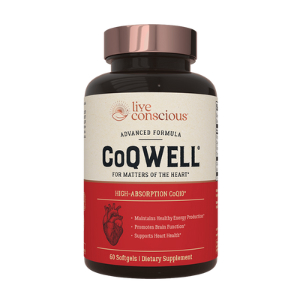
Live Conscious CoQWell
- High-absorbing and dairy-free
- Contains vitamins A and E
- Third-party tested
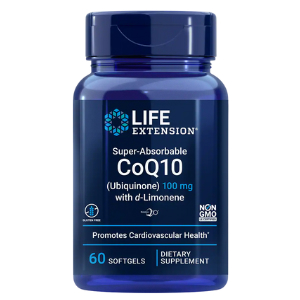
Life Extension Super-Absorbable CoQ10 (Ubiquinone) with d-Limonene
- Super-absorbable
- Contains D-Limonene that promotes the stability of CoQ10 in your body
- No genetically-modified organisms (GMOs) or gluten, sugar-free
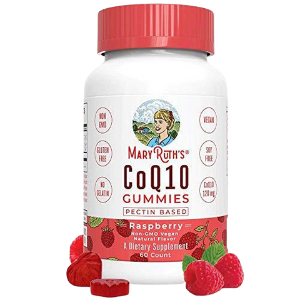
Mary’s Ruth CoQ10 Gummies
- Formula safe for kids
- Vegan, gluten-free, non-GMO
- Based on pectin
Dietary supplements have risen in popularity over the years with dietitians and nutritionists recommending them in almost every meal plan and nutrition program.
From multivitamins and combinations of minerals to fitness-related pre-workouts and post-workouts, there seems to be a supplement for every function in your body.
Some seem to be great for your heart and cardiovascular system, some promote your fertility and reproductive health, and others bring various benefits toward increasing your energy levels and mood.
Even though all dietary supplements and micronutrients bring on some specific health benefits to the table, it’s always best to check your levels to know if you’re deficient and whether or not taking the said supplement is necessary in your case.
However, always check with your healthcare provider or doctor before starting any new dietary supplement, especially if you’re undergoing a specific medical treatment or taking prescription medication.
General guidelines might benefit you most, but it’s always best to assess your health situation and know exactly how much of the specific vitamin or mineral you need to thrive and function at your best.
CoQ10 Best Brand In (April. 2024)
- Live Conscious CoQWell – Best For Immune Support
- Life Extension Super-Absorbable CoQ10 (Ubiquinone) with d-Limonene – Best Absorbing
- Mary Ruth’s CoQ10 Gummies – Best Gummies
- Transparent Labs CoQ10 – Editor’s Choice
- Puritan’s Pride Q-SORB Co Q-10 200 mg – Highest Dose
What is CoQ10?
CoQ10, also known as coenzyme Q10, ubiquinol, and ubiquinone, is one of the most powerful[1] antioxidants naturally produced in the human body. It’s responsible for protecting your heart, brain, and muscles, and it’s involved in a variety of biochemical reactions as well as the production of cellular energy in the mitochondria.
As humans age, the levels of coenzyme Q10 decrease, and it’s important to maintain its levels at their optimal level for as long as possible. CoQ10 has been used as an anti-aging supplement, significantly reducing wrinkles[2], but there is not enough human research to declare it as an anti-aging treatment.
Additionally, as an antioxidant, it has a strong anti-inflammatory effect, fighting off free radicals and oxidative damage. This way, CoQ10 supports the health of your nervous and immune systems, promotes cardiovascular health, improves physical performance, and protects you from a variety of different diseases, infections, stress-related disorders, and chronic inflammation.
CoQ10 is found in every cell in your body, but it’s mostly[3] concentrated in organs and tissues that require the most energy production, such as your heart, liver, brain, kidneys, and lungs. It’s therefore important for their optimal function as well as the function of your reproductive[4] system, supporting fertility and healthy pregnancy.
As you age, you naturally start to lose adequate amounts of CoQ10, as we just mentioned. Fortunately, you can replenish your levels through specific high-CoQ10-containing foods and dietary supplements. Most people can get enough of CoQ10 through a balanced diet, but some people might need supplements due to a certain health condition causing impaired absorption.
Foods[3] that are high in CoQ10 include
- Eggs (whole, egg whites, and egg yolk)
- Nuts
- Oily fish (salmon, tuna, sardines, mackerel)
- Organ meats
- Chicken
- Whole grains
Having optimal levels of CoQ10 in your system is important for your overall health and longevity, and deficiencies[5] have been linked[6] to heart disease, diabetes, obesity, and even cancer. Some of the main reasons[7] for CoQ10 deficiencies include
- Genetic mutations and defects
- Side effects of statin medications
- Oxidative stress caused by aging
- Mitochondrial diseases
- Other nutritional deficiencies such as vitamin B6 deficiency
- Diseases that cause an increase in demand for CoQ10 in your tissues
To prevent deficiencies caused by aging, medications, and other factors; it’s important to focus on quality supplements and your nutrition.
Best CoQ10 Supplement To Buy In 2024
Live Conscious CoQWell
Live Conscious CoQWell has a powerful and high-absorbing CoQ10 formula containing vitamins A and E for better immune health and overall well-being.
- High-absorbing and dairy-free
- Contains vitamins A and E
- Third-party tested
- Contains silicon dioxide, which has been shown to cause intestinal inflammation[8]
Live Conscious CoQWell supplement has a highly absorbable fat-soluble CoQ10 formula that helps promote cardiovascular health and increase cellular energy production. The added vitamins A and E strengthen the antioxidant defense, preventing free radicals from causing oxidative damage to your cells.
This product comes in the form of soft gels that raving customers report are easy to swallow and add to their daily routine. They also report feeling better after around a week of taking it, but it has to be taken with food.
Live Conscious CoQWell is manufactured in the USA, following the manufacturing process standards set by Current Good Manufacturing Practices (cGMP). It’s also third-party tested to ensure quality, potency, purity, and an absence of harsh chemicals, heavy metals, toxins, mold, and pesticides.
Life Extension Super-Absorbable CoQ10 (Ubiquinone) with D-Limonene
Life Extension Super-Absorbable CoQ10 (Ubiquinone) with D-Limonene is one of the best CoQ10 supplements that provides superior absorption compared to other brands on the market.
- Super-absorbable
- Contains D-Limonene that promotes the stability of CoQ10 in your body
- Non-GMOs
- Gluten and sugar-free
- Contains gelatin, and it’s therefore not suitable for vegans and vegetarians
Life Extension Super-Absorbable CoQ10 (Ubiquinone) with D-Limonene provides 100 mg of high-quality CoQ10 per serving and comes with D-Limonene that helps stabilize it in your body, so you don’t become depleted too fast. It’s highly absorbable, supports cardiovascular health, provides antioxidant support, improves cellular energy production, and promotes brain, kidney, and heart health.
It comes in soft gels containing gelatin, so it’s not suitable for vegans and vegetarians. Loyal customers report noticeably feeling better after only a short time taking it, and they applaud the size of the soft gel, reporting it’s easy to swallow and convenient to take.
Mary Ruth’s CoQ10 Gummies
Mary Ruth’s CoQ10 Gummies are a delicious, high-quality, vegan CoQ10 supplement for adults and kids.
- Formula safe for kids
- Vegan, gluten-free, non-GMO
- Based on pectin
- Free of most allergens
- Contains cane sugar and tapioca syrup
Mary Ruth’s CoQ10 Gummies are one of the rare CoQ10 supplements with a vegan formula that’s suitable for those who don’t eat animal products. It’s based on pectin and has a delicious raspberry flavor, making this supplement convenient and easy to take daily.
One gummy provides 60 milligrams (mg) of CoQ10 and helps promote heart health, cellular energy production, brain health, cognitive function, healthy aging, and cellular growth. It’s important to note that this product contains sugar, other sweeteners, and some ingredients you might be sensitive to.
Transparent Labs CoQ10
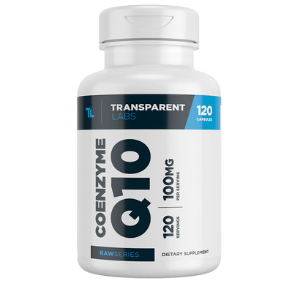
Transparent Labs CoQ10 is a high-quality CoQ10 supplement to help improve your heart health and increase energy production.
- High-potency
- Only one ingredient
- 60-Day money back guarantee
- Vegetarian capsule
- Does not ship to all countries worldwide
Transparent Labs CoQ10 supplement supplies you with 100 milligrams (mg) of CoQ10 per serving and helps promote your heart health and increase energy production. It’s a clean product with only one ingredient that comes packaged in a vegetable-based capsule, making it suitable for vegans and vegetarians.
Made with high-quality and high-potency CoQ10, it’s designed to help reduce[9] your fatigue after exercise and other forms of physical exhaustion, relieve fibromyalgia symptoms[10], lower[11] blood pressure, improve sperm[12] quality, and minimize oxidation[13] caused by physical activity.
Since it contains no other ingredients, this product is labeled gluten-free, sugar-free, and made without any artificial colorings, fillers, thickeners, or genetically modified organisms (GMOs).
Puritan’s Pride Q-SORB Co Q-10 200 mg
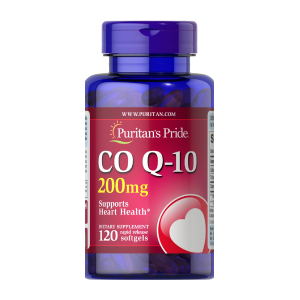
Puritan’s Pride Q-SORB Co Q-10 200 mg is a high-dose formula of CoQ10 that provides optimal antioxidant support and supplies your body with cellular energy.
- One serving contains 200 mg of naturally fermented CoQ10
- Rapid-release soft gel
- Highly-absorbable formula
- Contains soy and gelatin
Puritan’s Pride Q-SORB Co Q-10 200 mg comes in a rapid-release soft gel that contains 200 mg of naturally fermented CoQ10. It’s also highly purified, making it one of the better CoQ10 supplements on the market that’s more bioavailable and easier to absorb.
Taking one soft gel a day helps promote your heart health and blood pressure, increases energy production in your cells, protects your nervous and immune systems, and promotes oral and gum health that’s linked[14]to good overall cardiovascular health. The soft gel does contain soy and gelatin, making it unsuitable for vegans, vegetarians, and those hypersensitive or allergic to soy.
Who Should Not Take CoQ10
Even though they’re generally considered safe, some people should abstain from taking CoQ10 supplements. You should not take this supplement if pregnant, breastfeeding, or under age 18. Use with caution[15] if you have diabetes, liver failure, kidney disease, or heart failure without the consent of a physician.
How Do CoQ10 Supplements Work?
CoQ10 supplements help replenish your nutrient stores and keep them at the optimal level, preventing deficiency and promoting optimal cardiovascular function as well as necessary energy production in your cells. Adequate CoQ10 levels also help support heart health, reduce blood pressure, reduce fatigue, lower blood sugar, and promote healthy cholesterol levels.
They could also be beneficial[16] for preventing congestive heart failure and helping treat migraines. CoQ10 supplements come in various forms, and you can find them as pills, chewable tablets, wafers, syrups, or an intravenous (IV) solution.
Why You Should Add CoQ10 To Your Diet
Coenzyme Q10 is an important antioxidant and a key factor in cellular energy production naturally made by our bodies, but its production drastically declines with age. Studies[17] show that CoQ10 levels peak in our 20ies and decrease up to 50% by the time we are 80. Many vitamin tablets do not contain coenzyme Q10 or don’t contain enough to replete depleted levels.
Unfortunately, most people don’t get enough of CoQ10 through their diet, leading to deficiency. Additionally, other factors can contribute to a rapid deficiency, such as taking statins and other medications. Statins alone[18] can decrease CoQ10 levels in your plasma by up to 51% in just 30 days of use. Ubiquinone supplement pills may be the only way to regain those levels.
If taking supplements isn’t easy for you, start by increasing your intake of foods containing CoQ10, such as oily fish, nuts, eggs, chicken, and organic meats. If you’re vegan or vegetarian, you’ll probably have to resort to CoQ10 supplements, as most foods containing high levels of this nutrient are from animal sources. The best non-animal sources are peanuts, soybeans, cauliflower, spinach, and broccoli.
CoQ10 is crucial for cellular energy production, and when you have lower than optimal levels, your heart and other organs with high-energy requirements cannot function properly. Highly purified, high-quality, and highly-absorbable CoQ10 formulas help keep those levels up and prevent heart failure or other cardiovascular diseases, including improving blood pressure as well as supporting your overall health through antioxidant effects.
When Should CoQ10 Be Taken?
CoQ10 is fat soluble, so it’s best taken with meals, especially fatty foods. Some people report[19] having trouble falling asleep if taken too close to bedtime, so it’s better to take it in the morning or afternoon.
When it comes to dosage, the typical recommendation is 90-200[5] mg per day, but research shows how even extremely high doses such as 1,200[20] mg per day are mostly well tolerated.
What To Consider When Buying A CoQ10 Supplement
To choose the best within a plethora of CoQ10 supplements on the market, there are some important factors to consider:
- Quality – as with all dietary supplements, it’s always important to ensure high quality from a trusted source. The higher the quality of ingredients, the better the absorption and bioavailability.
- Third-party tested – this ensures high potency, purity, and an absence of chemicals, heavy metals, mold, and pesticides.
- Suitable for vegans – if you’re following a vegan or vegetarian diet, choosing a CoQ10 supplement that doesn’t contain gelatin and is dairy-free is important. There aren’t many CoQ10 supplements out there that are suitable for vegans in soft gel form, so try looking for tablets, capsules, or gummies.
- Pharmaceutical grade – if you’re on specific medication or drug therapy, and need extremely pure dietary supplements, look for pharmaceutical-grade labels.
- Additional micronutrients – some brands contain additional, highest-quality vitamins and minerals in their CoQ10 formula, supplying you with more important nutrients to promote better health and well-being. Some micronutrients and plant compounds can even help improve the absorption of CoQ10 and promote its long-lasting effects on your body. One of these is vitamin C.
- Clean ingredients – whether the formula contains only one or a variety of ingredients, the best CoQ10 supplements are gluten-free, sugar-free, and free of GMOs, as well as any artificial fillers colorings, thickeners, additives, or sweeteners.
- Medications that you may be taking may interact – Coenzyme Q10 is contraindicated in conjunction with insulin, glyburide, atorvastatin, warfarin, chemotherapy, or fluvastatin. Consult your physician before starting this supplement if on medication.
Final Thought
Coenzyme Q10 is one of the most important antioxidants in the human body, supplying all cells with the energy needed to function properly. Our cells use the energy to transport oxygen and other important nutrients to all muscles and organs, promoting their health and optimal function. This is especially important regarding heart health, brain support, immune health, and reproductive function.
Over time, our bodies start producing less and less CoQ10, depleting our cells of energy and making our bodies struggle to perform in the best way possible. Increasing your intake of foods containing high levels of CoQ10 and taking high-quality supplements helps keep optimal levels of this important antioxidant in your body and prevent potentially serious health conditions like heart failure, cognitive decline, and inflammation caused by harmful oxidation of free radicals.
Frequently Asked Questions
Yes, many studies show their potential benefits and success in maintaining optimal levels of CoQ10 in the body. Many people don’t take in enough food or nutrition, so supplementing is crucial to maintain optimal levels.
Generally, CoQ10 supplements are safe, but they can interfere with specific medications, so it’s always best to consult with your doctor before starting a new supplement. Extremely high doses of 1000mg have resulted in some side effects[21] in those who are sensitive to CoQ10. These include diarrhea, headaches, skin rashes, and nausea.
The recommended dose for CoQ10 supplements is between 90 and 200 mg per day, but the best dose for you might depend on various factors, from your age and diet to your health status and whether or not you’re taking any medications.
Coenzyme Q10 supplements should be taken in the morning or afternoon with a meal containing at least one fatty food.
CoQ10 is known under two main forms, ubiquinone and ubiquinol. The former is the oxidized form of CoQ10, and the latter is the reduced form of CoQ10. Some research[22] suggests that ubiquinol is more[23] bioavailable and therefore absorbable, but a study[24] from 2020 showed no significant difference in bioavailability between the two forms of CoQ10.
As ovaries and sperm need the energy to function properly, any type of dietary supplement containing CoQ10 that will increase cellular energy production will promote[4] fertility and reproductive health.
Standard daily doses range from 50 mg to 200 mg, depending on the patient’s age, health, and condition. The most common supplemental range is 90-200 mg. Dividing the dose into two or three times per day will reduce the likelihood of any side effects.
+ 25 sources
Health Canal avoids using tertiary references. We have strict sourcing guidelines and rely on peer-reviewed studies, academic researches from medical associations and institutions. To ensure the accuracy of articles in Health Canal, you can read more about the editorial process here
- Saini, R. (2011). Coenzyme Q10: The essential nutrient. [online] 3(3), pp.466–466. doi:https://doi.org/10.4103/0975-7406.84471.
- Žmitek, K., Pogačnik, T., Mervic, L., Žmitek, J. and Pravst, I. (2016). The effect of dietary intake of coenzyme Q10 on skin parameters and condition: Results of a randomised, placebo-controlled, double-blind study. BioFactors, [online] 43(1), pp.132–140. doi:10.1002/biof.1316.
- Saini, R. (2011). Coenzyme Q10: The essential nutrient. Journal of Pharmacy and Bioallied Sciences, [online] 3(3), p.466. doi:10.4103/0975-7406.84471.
- Florou, P., Anagnostis, P., Theocharis, P., Chourdakis, M. and Goulis, D.G. (2020). Does coenzyme Q10 supplementation improve fertility outcomes in women undergoing assisted reproductive technology procedures? A systematic review and meta-analysis of randomized-controlled trials. Journal of Assisted Reproduction and Genetics, [online] 37(10), pp.2377–2387. doi:10.1007/s10815-020-01906-3.
- Garrido-Maraver, J., Cordero, M.D., Oropesa-Ávila, M., Fernández Vega, A., de la Mata, M., Delgado Pavón, A., de Miguel, M., Pérez Calero, C., Villanueva Paz, M., Cotán, D. and Sánchez-Alcázar, J.A. (2014). Coenzyme Q10 Therapy. Molecular Syndromology, [online] 5(3-4), pp.187–197. doi:10.1159/000360101.
- Garrido-Maraver, J. (2014). Clinical applications of coenzyme Q10. Frontiers in Bioscience, [online] 19(4), p.619. doi:10.2741/4231.
- Doimo, M., Desbats, M.A., Cerqua, C., Cassina, M., Trevisson, E. and Salviati, L. (2014). Genetics of Coenzyme Q10 Deficiency. Molecular Syndromology, [online] 5(3-4), pp.156–162. doi:10.1159/000362826.
- Ogawa, T., Okumura, R., Nagano, K., Minemura, T., Izumi, M., Motooka, D., Nakamura, S., Iida, T., Maeda, Y., Kumanogoh, A., Tsutsumi, Y. and Takeda, K. (2021). Oral intake of silica nanoparticles exacerbates intestinal inflammation. Biochemical and Biophysical Research Communications, [online] 534, pp.540–546. doi:10.1016/j.bbrc.2020.11.047.
- Mizuno, K., Tanaka, M., Nozaki, S., Mizuma, H., Ataka, S., Tahara, T., Sugino, T., Shirai, T., Kajimoto, Y., Kuratsune, H., Kajimoto, O. and Watanabe, Y. (2008). Antifatigue effects of coenzyme Q10 during physical fatigue. Nutrition, [online] 24(4), pp.293–299. doi:10.1016/j.nut.2007.12.007.
- Sawaddiruk, P., Apaijai, N., Paiboonworachat, S., Kaewchur, T., Kasitanon, N., Jaiwongkam, T., Kerdphoo, S., Chattipakorn, N. and Chattipakorn, S.C. (2019). Coenzyme Q10 supplementation alleviates pain in pregabalin-treated fibromyalgia patients via reducing brain activity and mitochondrial dysfunction. Free Radical Research, [online] 53(8), pp.901–909. doi:10.1080/10715762.2019.1645955.
- Young, J.M., Florkowski, C.M., Molyneux, S.L., McEwan, R.G., Frampton, C.M., Nicholls, M.G., Scott, R.S. and George, P.M. (2012). A Randomized, Double-Blind, Placebo-Controlled Crossover Study of Coenzyme Q10 Therapy in Hypertensive Patients With the Metabolic Syndrome. American Journal of Hypertension, [online] 25(2), pp.261–270. doi:10.1038/ajh.2011.209.
- Nadjarzadeh A;Sadeghi MR;Amirjannati N;Vafa MR;Motevalian SA;Gohari MR;Akhondi MA;Yavari P;Shidfar F (2014). Coenzyme Q10 improves seminal oxidative defense but does not affect on semen parameters in idiopathic oligoasthenoteratozoospermia: a randomized double-blind, placebo controlled trial. Journal of endocrinological investigation, [online] 34(8). doi:10.3275/7572.
- Kon, M., Tanabe, K., Akimoto, T., Kimura, F., Tanimura, Y., Shimizu, K., Okamoto, T. and Kono, I. (2008). Reducing exercise-induced muscular injury in kendo athletes with supplementation of coenzyme Q10. British Journal of Nutrition, [online] 100(4), pp.903–909. doi:10.1017/s0007114508926544.
- Kotronia, E., Brown, H., Papacosta, A.O., Lennon, L.T., Weyant, R.J., Whincup, P.H., Wannamethee, S.G. and Ramsay, S.E. (2021). Oral health and all-cause, cardiovascular disease, and respiratory mortality in older people in the UK and USA. Scientific Reports, [online] 11(1). doi:10.1038/s41598-021-95865-z.
- Sood, B. and Keenaghan, M. (2022). Coenzyme Q10. [online] Nih.gov. Available at: https://www.ncbi.nlm.nih.gov/books/NBK531491/
- Tareq Al Saadi, Assaf, Y., Medhat Farwati, Khaled Turkmani, Al-Mouakeh, A., Baraa Shebli, Khoja, M., Adib Essali and Mohammed Eid Madmani (2021). Coenzyme Q10 for heart failure. [online] 2021(2). doi:https://doi.org/10.1002/14651858.cd008684.pub3.
- Gian Paolo Littarru and Lambrechts, P. (2011). Coenzyme Q10: multiple benefits in one ingredient. [online] 18(2), pp.76–82. doi:https://doi.org/10.1051/ocl.2011.0374.
- Choi, H.-K., Won, E.-K. and Choung, S.-Y. (2016). Effect of Coenzyme Q10Supplementation in Statin-Treated Obese Rats. Biomolecules & Therapeutics, [online] 24(2), pp.171–177. doi:10.4062/biomolther.2015.089.
- and, A. (2022). Coenzyme Q10 (PDQ®). [online] Nih.gov. Available at: https://www.ncbi.nlm.nih.gov/books/NBK65890/
- Shults, C.W. (2002). Effects of Coenzyme Q10 in Early Parkinson Disease. Archives of Neurology, [online] 59(10), p.1541. doi:10.1001/archneur.59.10.1541.
- Henchcliffe, C. (2009). Coenzyme Q10 effects in neurodegenerative disease. Neuropsychiatric Disease and Treatment, [online] p.597. doi:10.2147/ndt.s5212.
- Zhang, Y., Liu, J., Chen, X. and Oliver Chen, C.-Y. . (2018). Ubiquinol is superior to ubiquinone to enhance Coenzyme Q10 status in older men. Food & Function, [online] 9(11), pp.5653–5659. doi:10.1039/c8fo00971f.
- Failla, M.L., Chitchumroonchokchai, C. and Aoki, F. (2014). Increased Bioavailability of Ubiquinol Compared to That of Ubiquinone Is Due to More Efficient Micellarization during Digestion and Greater GSH-Dependent Uptake and Basolateral Secretion by Caco-2 Cells. Journal of Agricultural and Food Chemistry, [online] 62(29), pp.7174–7182. doi:10.1021/jf5017829.
- Pravst, I., Rodríguez Aguilera, J.C., Cortes Rodriguez, A.B., Jazbar, J., Locatelli, I., Hristov, H. and Žmitek, K. (2020). Comparative Bioavailability of Different Coenzyme Q10 Formulations in Healthy Elderly Individuals. Nutrients, [online] 12(3), p.784. doi:10.3390/nu12030784.

Written by:
Karla Tafra, Nutritionist
Medically reviewed by:

Medically reviewed by: